Search

Stringed Guitars

Created by a passionate guitarist, containing a bit of gear reviews and news

Tag

Guitar

Strings, the soul of our guitar

The title of this post is not an understatement… Strings are very important just as important as tyres are for cars, surely you can drive with worn tyres, but you’ll probably slip at some point!

Every time I change my strings I re-discover the guitar tone, that first strum… the first lick you play… it just sounds great and for me it goes… “oh.. have I played this song since I changed the strings? I gotta try it”, but let’s face it changing strings is a pain in the neck, and 70% of the times I end up stinging one of my fingers with the high E so it’s a task that I usually don’t look forward to, the good thing about it? apart from the tone is that we get to buy something for our beloved guitar, whatever it is we just love buying stuff.

But… which is the right string for me!? and this is as hard as searching for your tone or more likely… it’s part of searching for your tone, because as the title states the strings are the soul of your guitar (and your fingers are the engine) and every gauge, brand, material, etc. sounds different some brighter, some darker, some just break all the time and some just “do the job” and we stick with those, but is this ok? should we not experiment a bit more? I mean… they are only like £6 a set, so why don’t we try more brands and gauges and materials? I bet is because you also hate changing strings!

Well… I always used Ernie Balls, either 0.010 or 0.009, because that’s what everyone uses, and it’s just what they usually have at the stores, however we now have Ebay! (I know it’s been around for ages… but I’m trying to prove a point here) and we can buy all sorts of different strings, there are tons of brands out there now, but there is something that recently has caught my eye (or ear?) I saw an interview with Billy Gibbons, and he talks about the time he met BB King and how BB asked him if he could play his guitar… of course Billy was more than happy to do this! and BB goes “your strings are a bit heavy”, Billy of course says “well.. we are just looking for a specific tone and sound”, and this is probably the reason why most of us go with 0.10 because we feel that 0.09 is just too thin and the sound it’s just too thin as well, but BB says “that’s all fine, but the question is… why are you working so hard?” BB was one of the first bluesmen to use low gauge strings (I think they were 0.008) so Billy listened to him and he swapped his 0.011 with 0.008 and never looked back, to the point that he went down to 0.007, and this is where my story begins…

I saw the interview and I thought… I need to try this, so I went online and bought a set of Rev. Willy’s 0.007 and man… was I impressed! they are so good! and the playability is just effortless, bends are easier and the tone is all there! it takes a bit to get used to them because they are thin! you can barely feel the high E, but trust me they sound amazing, I equipped my ’71 Gibson SG with them and I love it.

So… don’t just use 0.009 just go ahead and try! SRV used 0.013 but BB used 0.008 and they both sound amazing so there you go, spice is the essence of life, in our case it could be strings!

Also there is something “new” out there called Polyweb… from Elixir, I haven’t tried those but they are supposed to be great as well!

Have a look at the video, enjoy “La grange” but also at the end you’ll listen at Billy talking about his strings.

Is it worth buying the real deal?

We choose this “profession” because we like music… and we probably have a favourite band and a favourite musician, and this guy/girl will use certain type of gear, so when we start our guitar playing journey we always try to sound like someone and we use all sorts of excuses like “when I get my proper Gibson SG my technique will improve, everything will be easier”, and then we have the amplifiers…. “I can’t get that sound because I don’t have a Marshall JTM45 with Celestion green backs ” and so on…

The list of gear is immense and infinite but there is one thing we can’t buy or get as fast as we would like… and that is ability which needs practice… which is achieved by being a disciplined guitar player and practising a couple of hours per day.

But do we really need all this gear to sound like our guitar hero? debatable… I don’t think we actually need the big brands but I do think it adds mojo to our playing, for example…. an Epiphone will cost £200, the same model built by Gibson will cost £1000, does that mean there is an extra £800 of quality? or, that our tone is going to sound £800 better?

Not really…. yes they use better quality electronics and better wood…. but I’m sure one of the reasons why American brands are so expensive is due to salary wages, an average Chinese factory worker earns 1/3 of their American colleagues, and this is all translated to our beloved Guitar/Amps cost, not only the employees but also management, real estate, etc.

The first time I picked up a Gibson I couldn’t believe it… the smell of the wood.. the quality of the finish, and of course… the similarity with Angus’ guitar, which I think is the most important aspect of my Gibson, because let’s face it… we need to be in a good mood to be able to perform well and what gets us in a better mood than having a real Gibson and a real valve driven Marshall, I don’t know what it is but they have a different mojo and when I pick up my Gibson I feel in heaven and I just play better… maybe it’s because there are no excuses why I should make mistakes? since there is no where to hide in a pro guitar,  you can’t get anything better than what you already have.

It takes loads of time and money to find your tone and if you are just beginning this process of buying stuff… enjoy it… and buy as many guitars and amps as possible, all of them will sound different and all of them will have a different effect on you, and try not to sell your old gear, although in my case I had to keep selling to keep buying but this allowed me to go through tens of different guitars and amps.

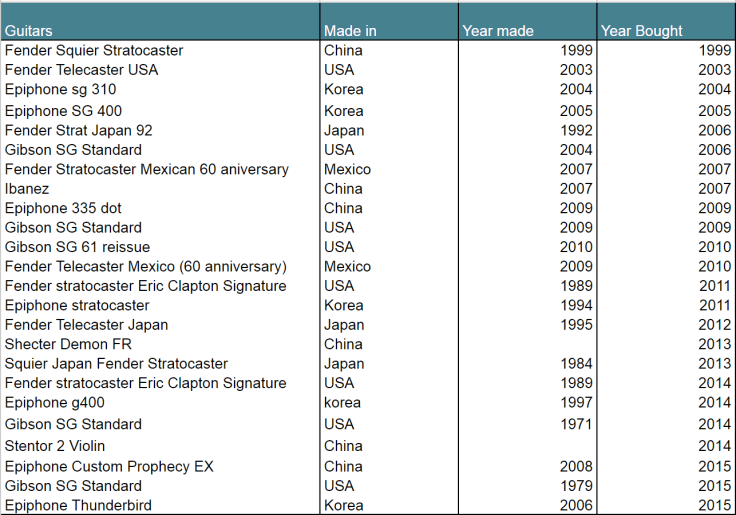
On the images you’ll see all the gear I have owned throughout the last 15 years, unfortunately I only own a fraction of it now, but everything I owned as helped me shape my sound and way of playing.

It’s a beautiful journey but it is expensive and sometimes frustrating, but as I previously said… enjoy it because you will only go through it once.

Guitar ListAmp List


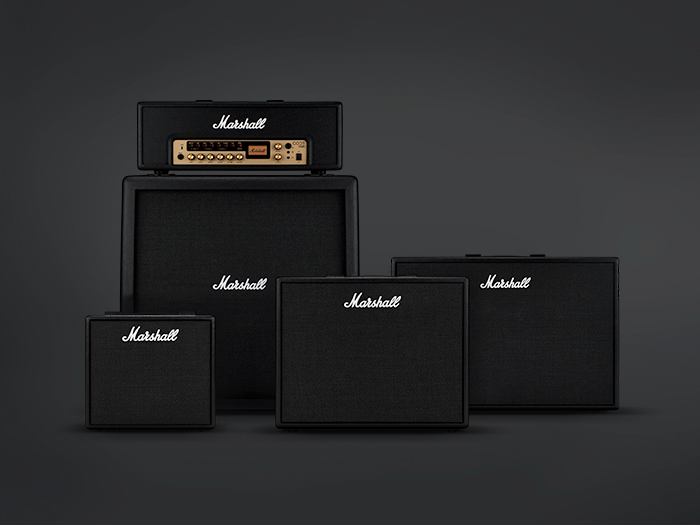
Marshall Code

So, a few weeks ago Marshall posted on their official Facebook account that on the 21st of January they where going to “change the world” again or something like that, when I saw that I got really anxious and I honestly had no idea what could they possibly launch, they don’t need much do they? it’s like Coca Cola… they got the brand and the recipe… nothing needs to be improved, no matter how many flavours they launch you always go back to the regular Coca Cola, however they’ve launched something called “Code”, which is effectively a modelling amp.

Marshall has been smart about this, let’s be honest.. there are tons of amp modellings… but they are from Line 6 or VOX, and to be honest they are not the most popular amps out there… but they offer modellings that “recreate” the sound of the classics, however… nothing gets more classic than a good old Marshall tube amp, and if you’ve tried these modelling amps I think it’s fair to say that they are excellent… but you still want a Marshall.

The idea behind this is brilliant, it’s a cheap-ish (£169 for the 25w combo version) solid state amp that can recreate pretty much any other amp in the Marshall range, but it’s not only that… for those of you that are crazy about tubes/valves this little amp lets you combine pre-amps with output amps using different combinations of tube types on either of one of them, and this is great because this is something that’s hard to achieve when you have a tube amp, you can’t just go around changing tubes without re-biasing or buying adapters.

I don’t know about you but I’m thrilled with this and can’t wait to get my hands on one, I’ll certainly be sharing the experience if I do so!

Main photo is from Marshall official website: link

here is a cool video from Marshall showing the features of this product:

Headphones for practice??

Touching on the “guitar practice” issues again, sometimes having an amp is not even possible, because someone in the household might have a problem with us shredding away… and sometimes like in my case… it cuts your inspiration.

I’m a keen user of iPhones and its useful apps for guitarists, from tuners, to amp modelers to track recording, but it always seems that each one of those apps is missing something, but most of them have one thing in common… they won’t let you play Spotify while you are trying to listen to your guitar, except for Jam-Up (find it here) this little free app let’s you plug in your guitar (with the use of an iRig) and also play some tunes on Spotify which means you can play along your favourite records while blasting the volume away!.

I’ve been using this app for a week and I love it, it’s just simple and free, you can also pay and get more options, but the free version is pretty good, you get a few pedals, few amps, tuner, recording facilities, etc. and the amp modellers sound very decent, just try the JMP 50 Watt with any guitar and you’ll love it (even more with humbuckers). I’ve also bought some headphones for practicing, since the iPhone in ear phones are not that great in terms of sound quality, cable is too short and you can’t headbang because they’ll fall out of your ear, so I bought some AKG K77 for £24.50, that’s a steal! you can also find cheaper ones with studio quality, just go to guitar sites instead of fancy technology sites and you’ll find decent headphones with a decent price tag.


A decent practice session

It’s a well known fact that musicians have a hard time getting a decent practice session where we live, doesn’t matter if it’s a house or a small flat you’ll always be bothering someone if you try to drive the tubes on your amp.

So we usually spend loads of money trying to find a perfect practice amp, and I’m not saying I found the perfect couple… but pretty close to it.

I purchased a Blackstar HT1-R it’s 1W with a 8″ speaker and reverb, but… it has an 12ax7 tube which makes a big difference, it’s a pre-amp tube so it won’t give you a true tube sound but this amp sounds so big! I mean… 8″ speaker but it just has loads of oomph and at really decent volume, the best thing about this amp is that it’s loud enough to be used in a full band practice session but it’s also appropriate for “bedroom practice”, and it’s not too expensive, they go used for £150 or so.

All in all I totally recommend this amp as a practice amp, it’s so much better than a small Marshall.

Marshall… Marshall… (echoes..) so… I can’t insult a Marshall and even less when I’m talking about blackstar, as you may know Blackstar was founded by ex Marshall employees.

Of course my other favourite practice amp is a Marshall.. and it’s the already mentioned on this website Class 5. this is superb… but slightly louder and you need a bigger space to drive the 10″ speaker and the full tube circuit, even if you get the model that comes with a master volume (or an attenuator) it still feels that it needs more volume to get the best out of it… I absolutely love this amp and it just screams AC/DC all over the place it’s not versatile at all.. but then who wants versatility, we only want one thing.. or maybe two… Blues and Rock!

Add this Marshall Class 5 to the practice amp list… but only if you live in a house and you got a room far away from parents and neighbours, because you’ll need to crank it! and this one can be used for a gig or practice at any time.

So there you go… my 2 favourite practice amps. Marshall for blues or rock and Blackstar if you want to blast some Megadeth from your guitar.

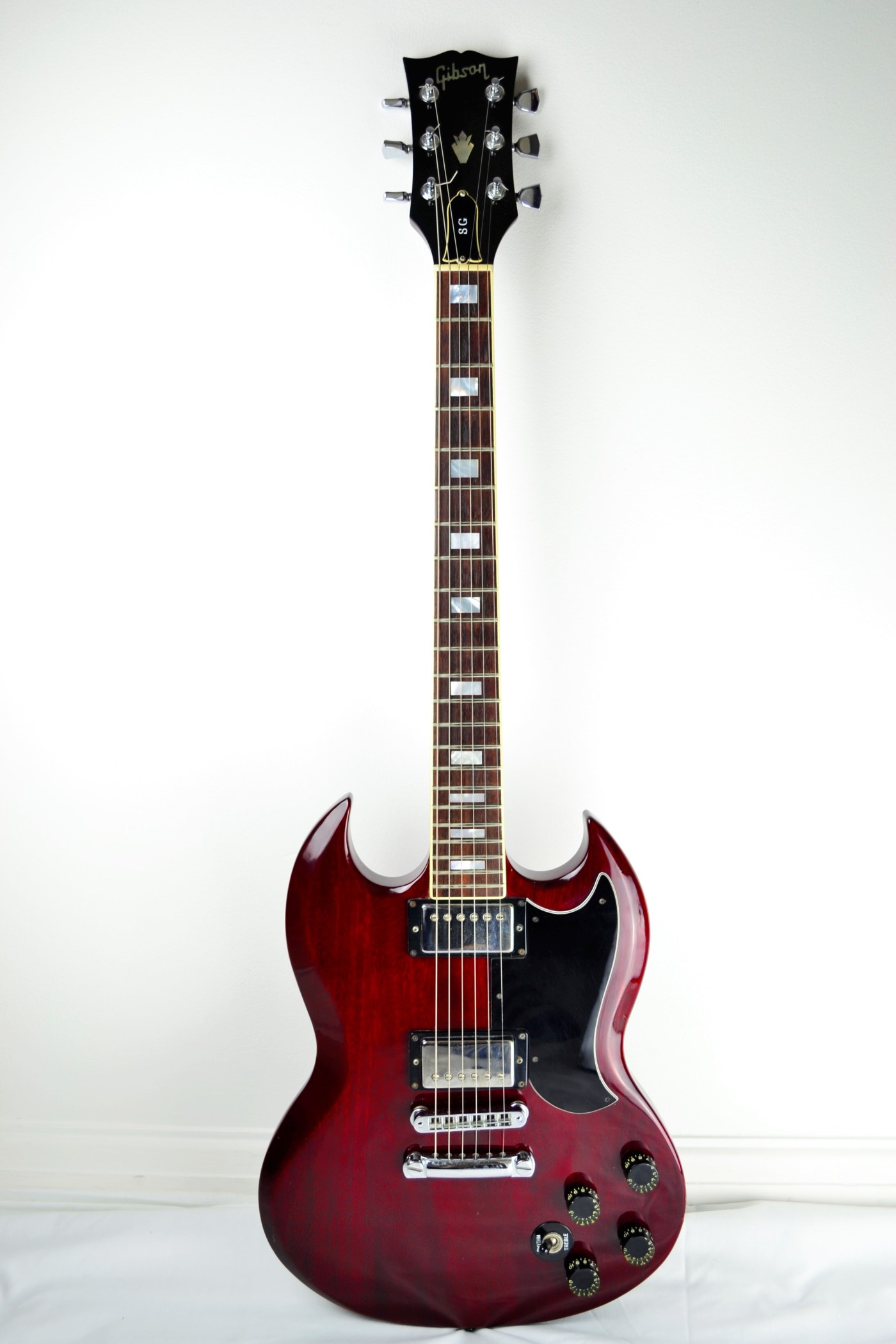
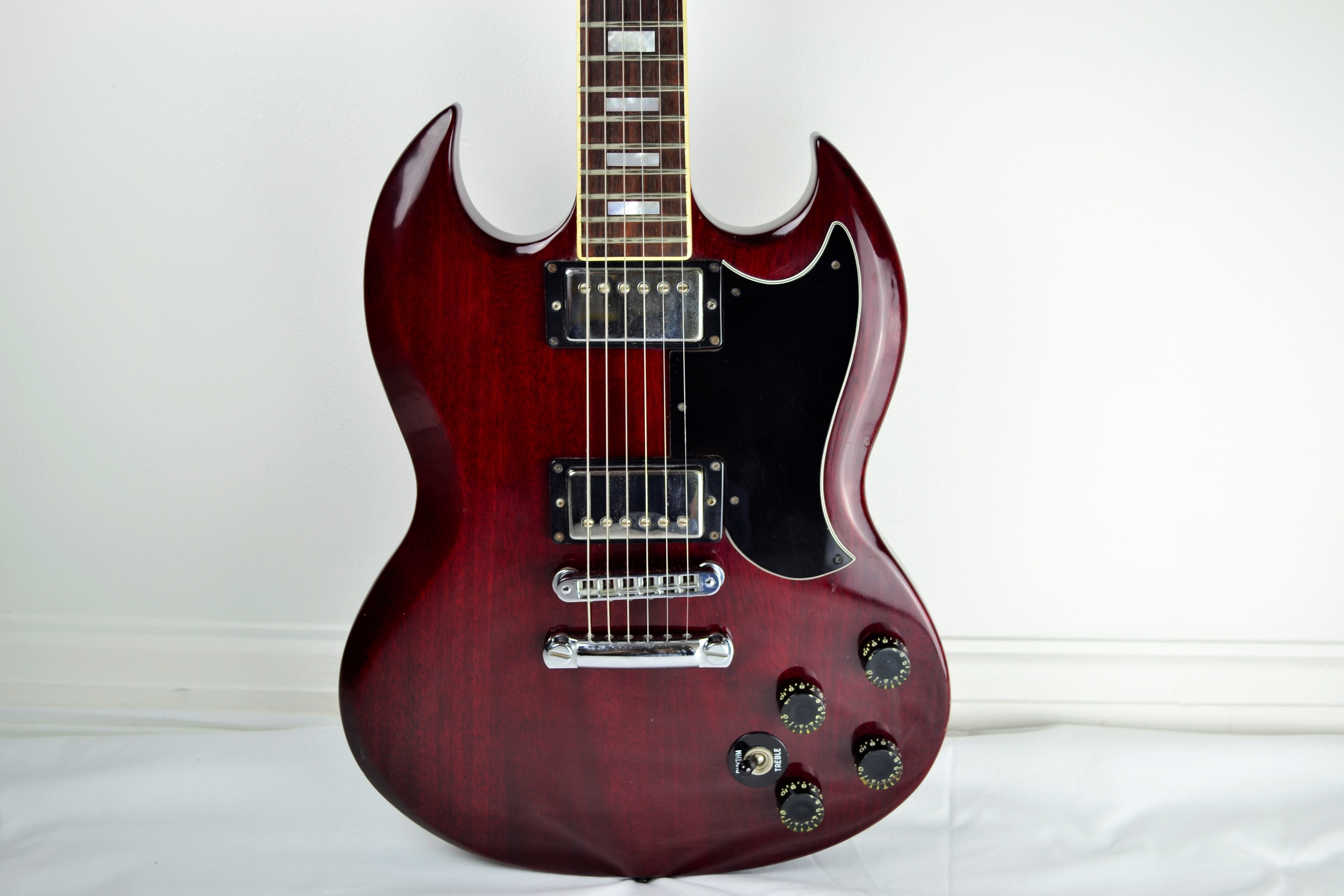
1979 Gibson SG Standard

This SG belongs to the loved/hated Norlin era.

This means it was built between 1970 and sometime around 1986, loads of guitar enthusiasts hate this era and they will swear that they are the worst guitars Gibson has ever built, but to be honest most of them probably have not tried a Norlin era Gibson, and this feeds the inflated price of the pre-norlin era gibsons, this is why a 1968 SG will set you back around £8k and a 1971 will cost around £1,5k.

This is a great guitar, it’s incredible how fast the neck is and how effortless you can go through the fretboard, this is the reason why they earned the nickname of “fretless wonder” this happens because the action is really low and the frets are not very tall.

Playing these “fretless wonders” does require some time to get used to, it does challenge your ability to perform bends and you have to get rid of the “heavy hand” habit (if you do have it) but once you get used to them, they are great.

Of course this guitar is also part of Angus’ arsenal, (and this the reason why I bought it) you can see him using it on the “Flick of the Switch” video (https://www.youtube.com/watch?v=DWKcJwuZnzE) and he also used it live on some occasions.

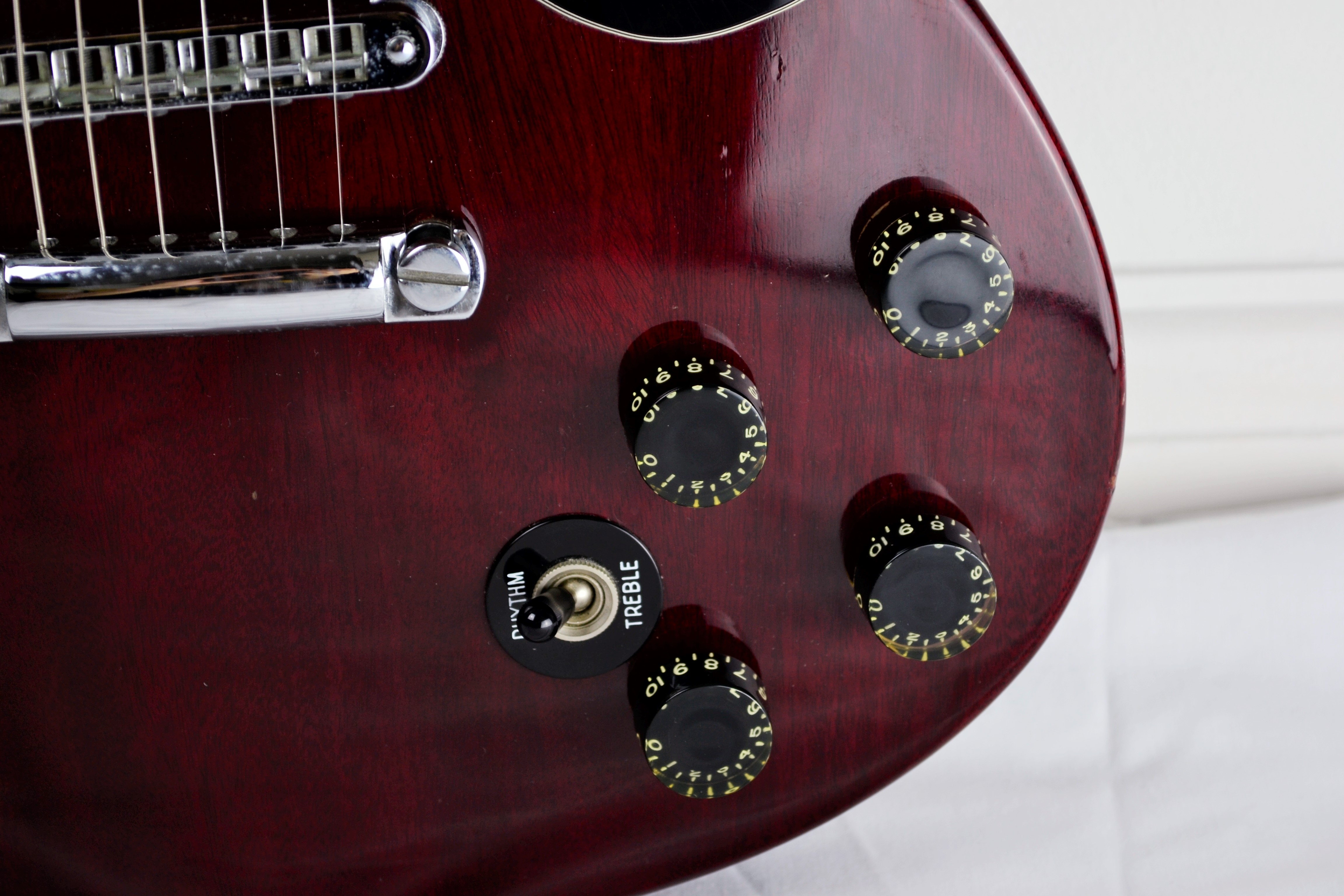
On this model Gibson implemented 2 curious changes: the inlays changed to a rectangular shape and the output jack changed from the top of the guitar to the side. Personally I love these inlays, they do look great and you get an extra one! (the 1st fret gets an inlay as well, where as before only custom guitars would bring an inlay on this fret). It also has the “speed knobs” not sure how “speedy” they are, but they move smoother than the black top  hats.

_DSC7427 (2) _DSC7428 (2)

Schecter Demon 6 FR

First time I own a guitar from this brand, bought it a few years ago in a music store, I had very little budget and was looking for used instruments, the guy said “I have this guitar that has a few dings and it needs some TLC” when I tried it… I was impressed, £140 for an awesome playing guitar!

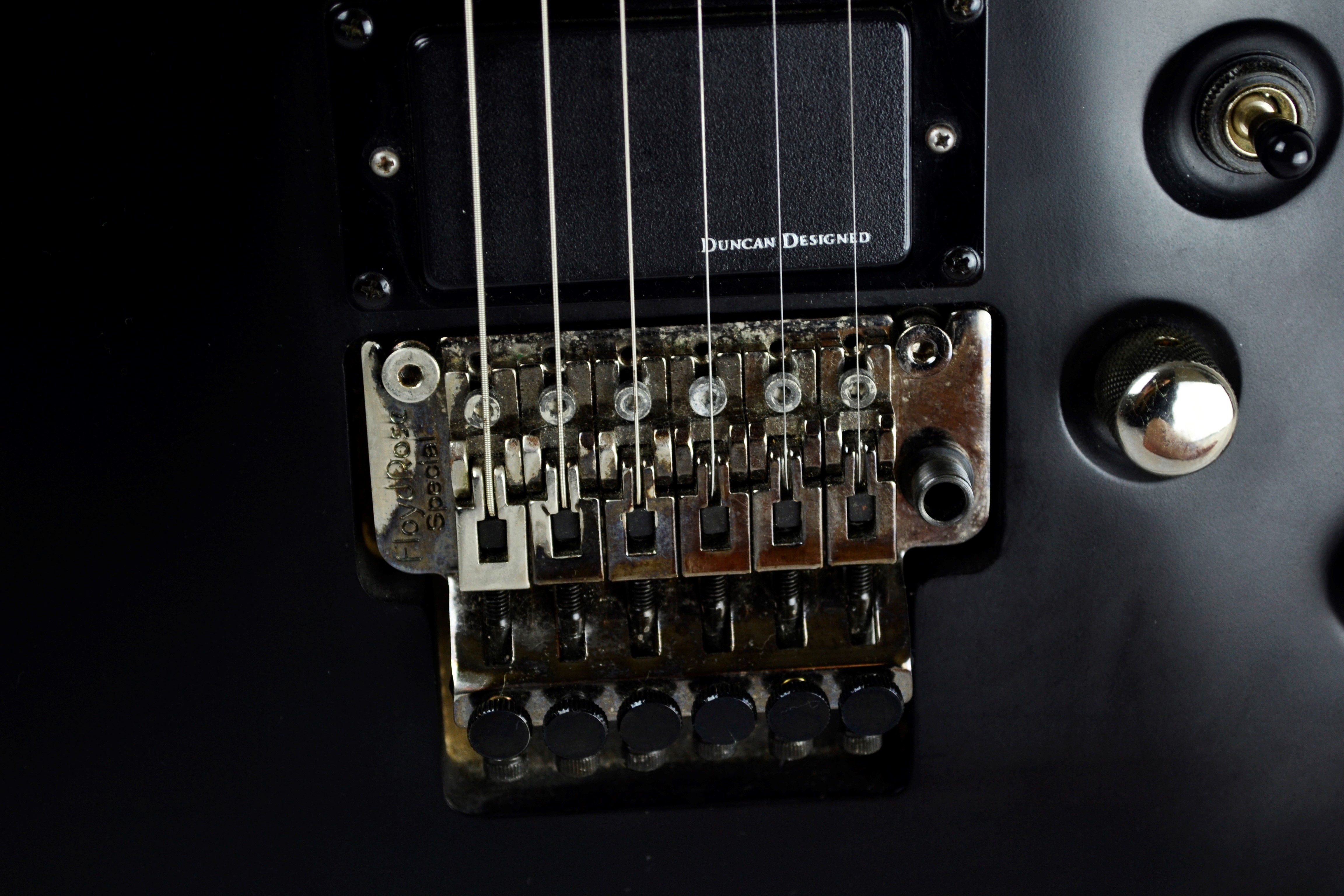
Schecter are more of a heavy metal / progressive metal type of guitar they are really fast and very easy to play. It has a few really nice features, Seymour Duncan Designed pickups (budget version of the Seymour Duncan pickups) Floyd Rose system, locking tuners and awesome inlays.

This is also the first time I have a Floyd Rose equipped guitar, it’s pretty good, you can just abuse it and it doesn’t go out of tune at all, however… changing strings it’s a whole procedure and you better schedule some time of your day for this… and build up the patience, but it’s definitely worth it.

The pickups are really good as well, of course they are active (so you need to buy batteries… eurgh) but they can burst out some Megadeth like type of tunes I love it (2nd time I mention Megadeth? maybe 3rd… anyone who’s counting).

This model is made in Korea so of course it’s not top of the line… but you can’t get anything decent for £140, you are probably thinking of Epiphones? Squiers? Yamaha? nah… not even close to this, Korean Schecter guitars might be the best entry level guitars ever, you may not be a heavy metal dude but they are really versatile, you can get clean tones as well so it’s great for any style even though you might be concerned about the shape but it’s not too bad… it’s not like it’s one of those BC Rich…

So if you find one of these on a good price… trust me and buy it you won’t regret it, give Schecter a chance :), I’m still yet to try an American made one, I can’t even imagine how good they must be!.schecter diamon demon side schecter guitar inlay schecter diamon demon

1984 Squier Bullet by Fender (Japan)

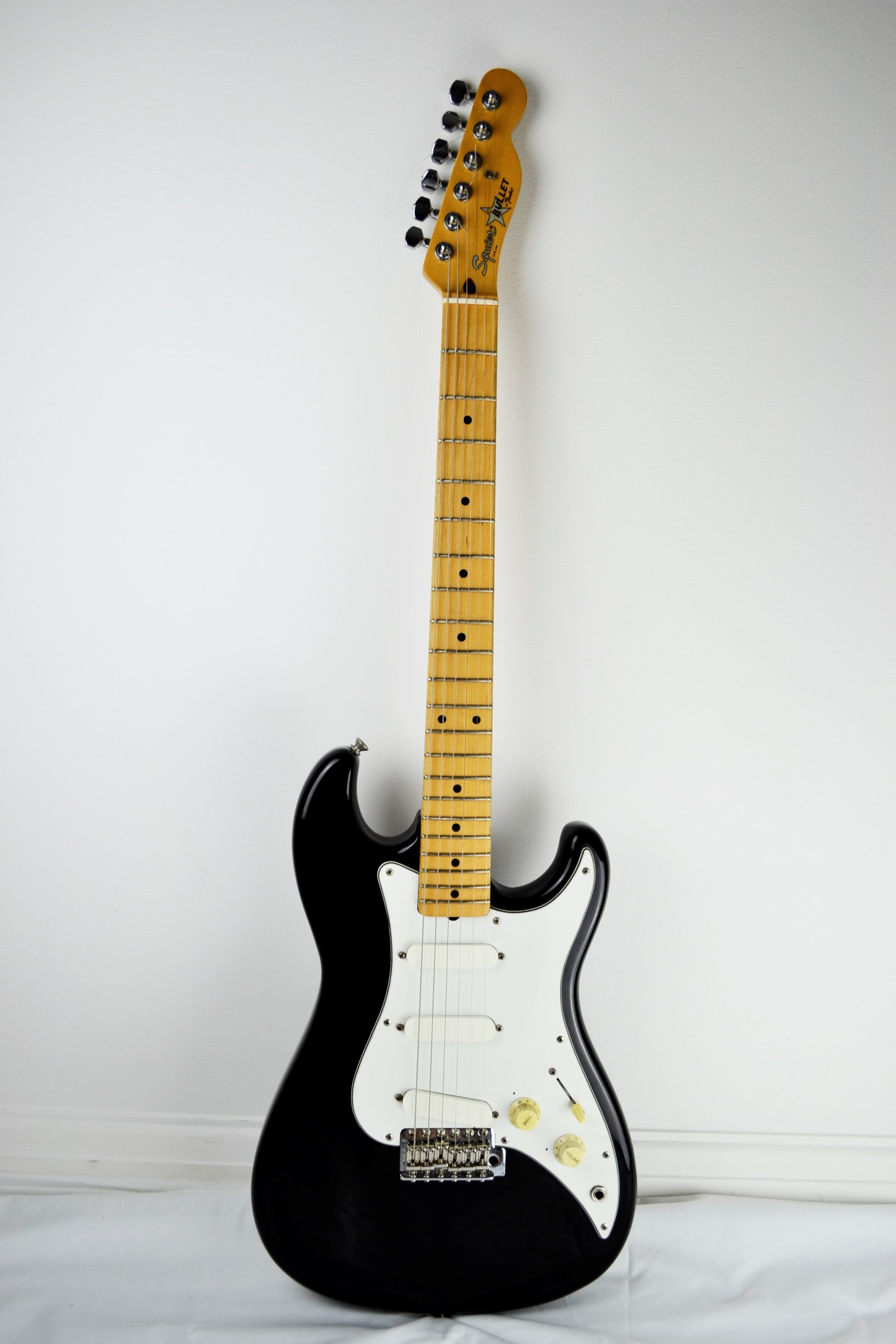
This is definitely an odd one, it is a Squier by fender (like all Squiers claim to be) but it’s not only that. The guitar just looks weird doesn’t it? well.. there are a couple of reasons for that.

Back in the 80s when Fender was switching manufacturers (I think they were moving production to China) they had shortages of guitar parts, so word on the grapevine is that they just combined stuff, and this model is a perfect example of this, the neck pretty much gives it away right? it’s a Telecaster neck! and who doesn’t love a Tele neck, and even more when it’s maple (yes I do like maple for Fender style guitars and Rosewood for any other brand/type of guitar). The body also looks odd apart from being somewhat deformed (fatter) on the bottom it also has only 2 knobs and a weird (maybe Gibson style?) input jack, I actually like this design I always felt that Fender inputs are somewhat annoying because you can’t use L shaped cables, so you need your L shaped for your Gibsons and your straight ones for your Strats, this just takes care of that situation, and the 2 knobs instead of 3? also a great idea! who uses 2 tone knobs when you only have 1 volume control…. just doesn’t make sense.

Pickups… probably not the best, but… they are covered! and white covers! makes the guitar look just a bit cooler right? (and yes it matches with my EC Strat) they actually don’t sound that bad at all, they are a bit muddier than normal Squier pickups so it’s like you almost don’t need a fuzz pedal, just crank up the volume, add some distortion and you are sorted.

This guitar was a bit of a project for me, and my first “real” guitar project, I only paid £70 for it (such a steal!) but it was in a very poor condition, I took the frets off and added Dunlop 6100 (the same SRV used to use), I also sanded the neck to take all the gunk off and leave it nice and clean, it’s not the most tidiest job because to be fair changing fret is a nightmare! and it’s extremely easy to damage the fretboard, but after a few attempts and a fret levelling tool it now plays really nice and it has got quite a unique sound, even though I barely use it… I like it because it has survived my DIY so it just feels special.

_DSC7475 (2) _DSC7469 (2) _DSC7471 (2) _DSC7472 (2)

Epiphone SG Prophecy EX

So… Of course your question is… “what the hell is an Epiphone doing here?…” Well, I like Epiphones, and let’s be honest… loads of us have started this amazing hobby/profession using an Epiphone or a Squier.

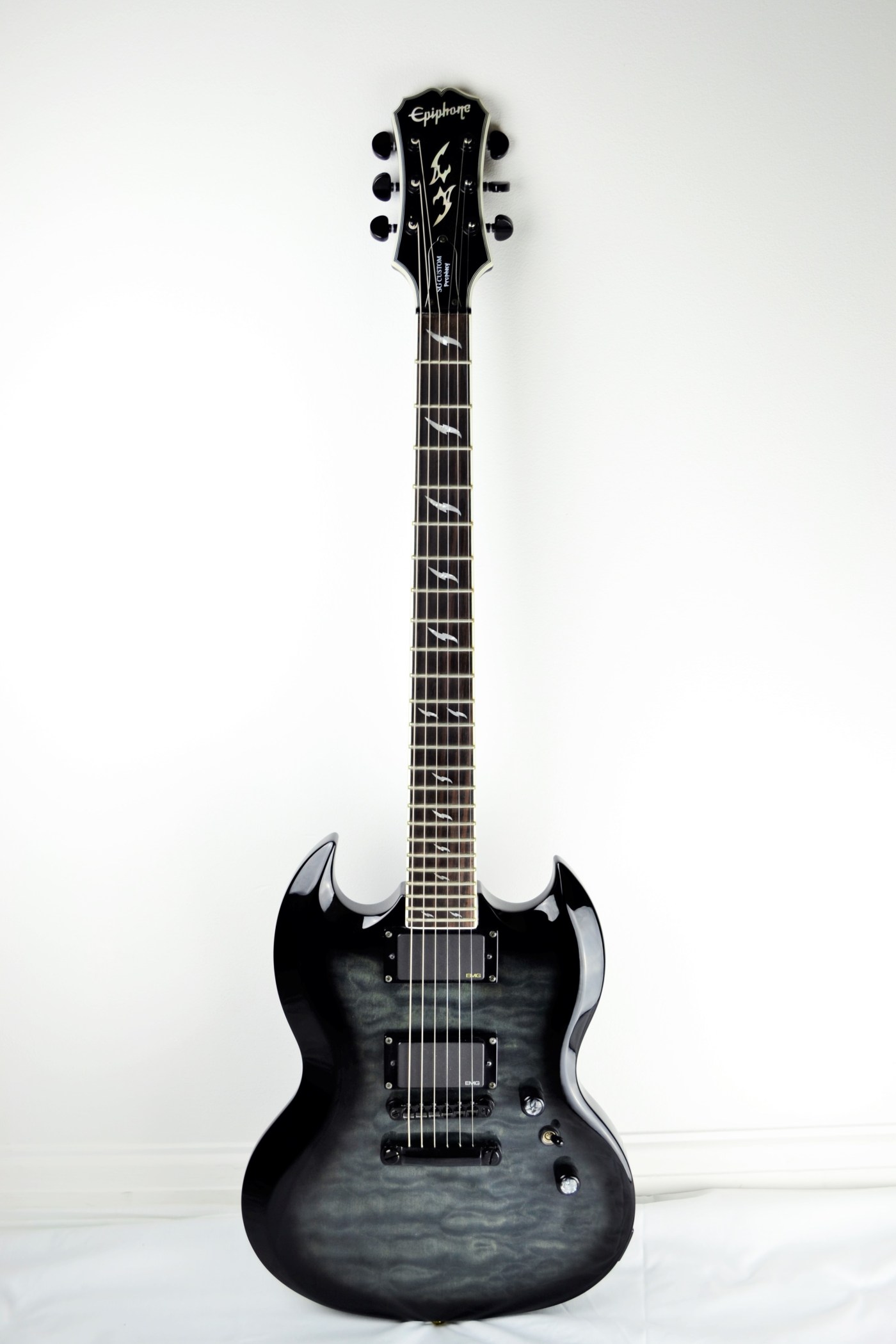
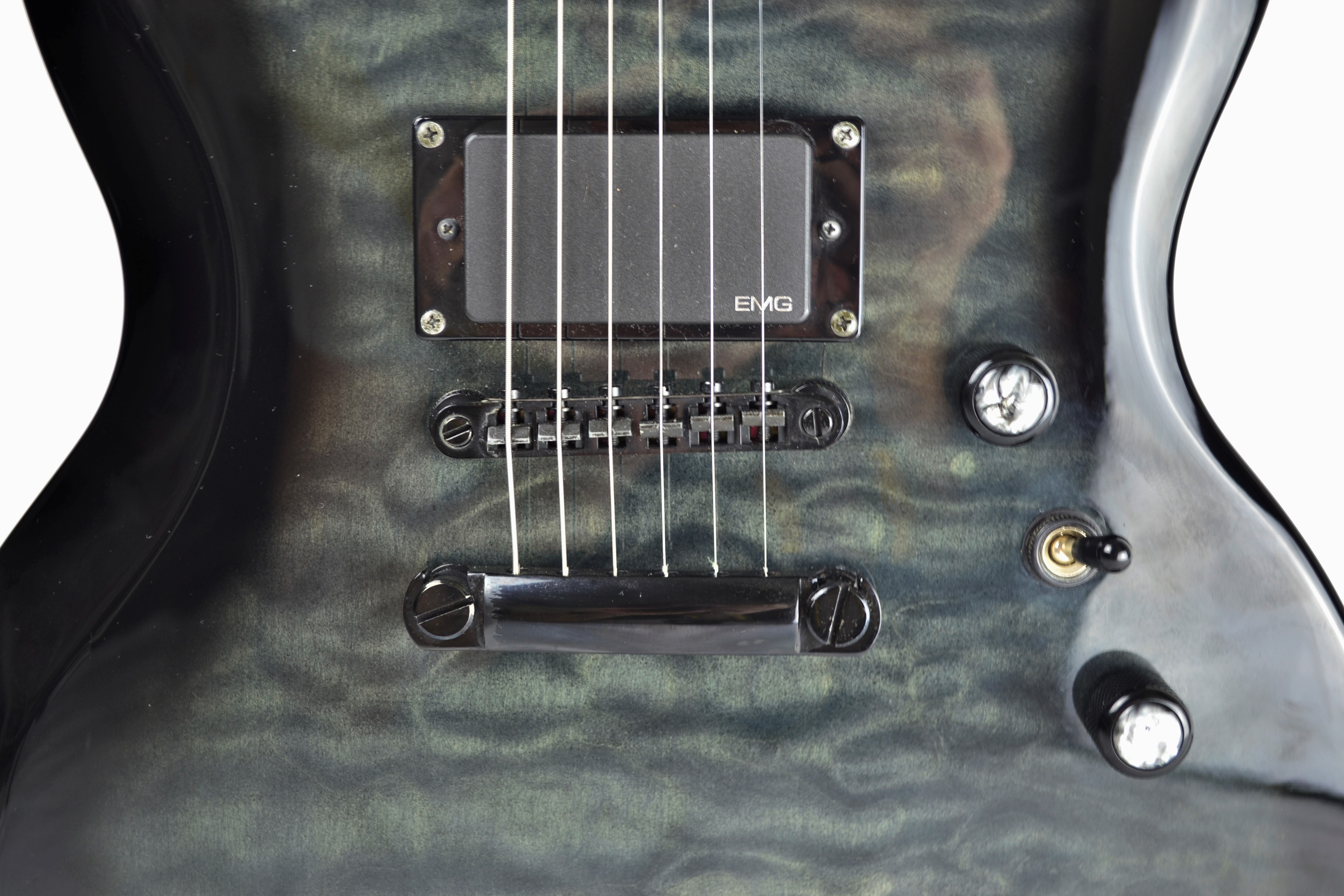
But this is no ordinary guitar, this is the angriest Epiphone of them all, it’s got world class features such as: ebony fretboard, Grover tuners, flame maple top, and last but not least EMG active pickups (models 81 and 85). This combination is a killer, also the fretboard is quite chunky like an SG standard so it’s great for shredders which I’m not one of them but I do enjoy every now and then picking up my axe (keeping the shredders lingo) and play a bit of Megadeth or Judas Priest.

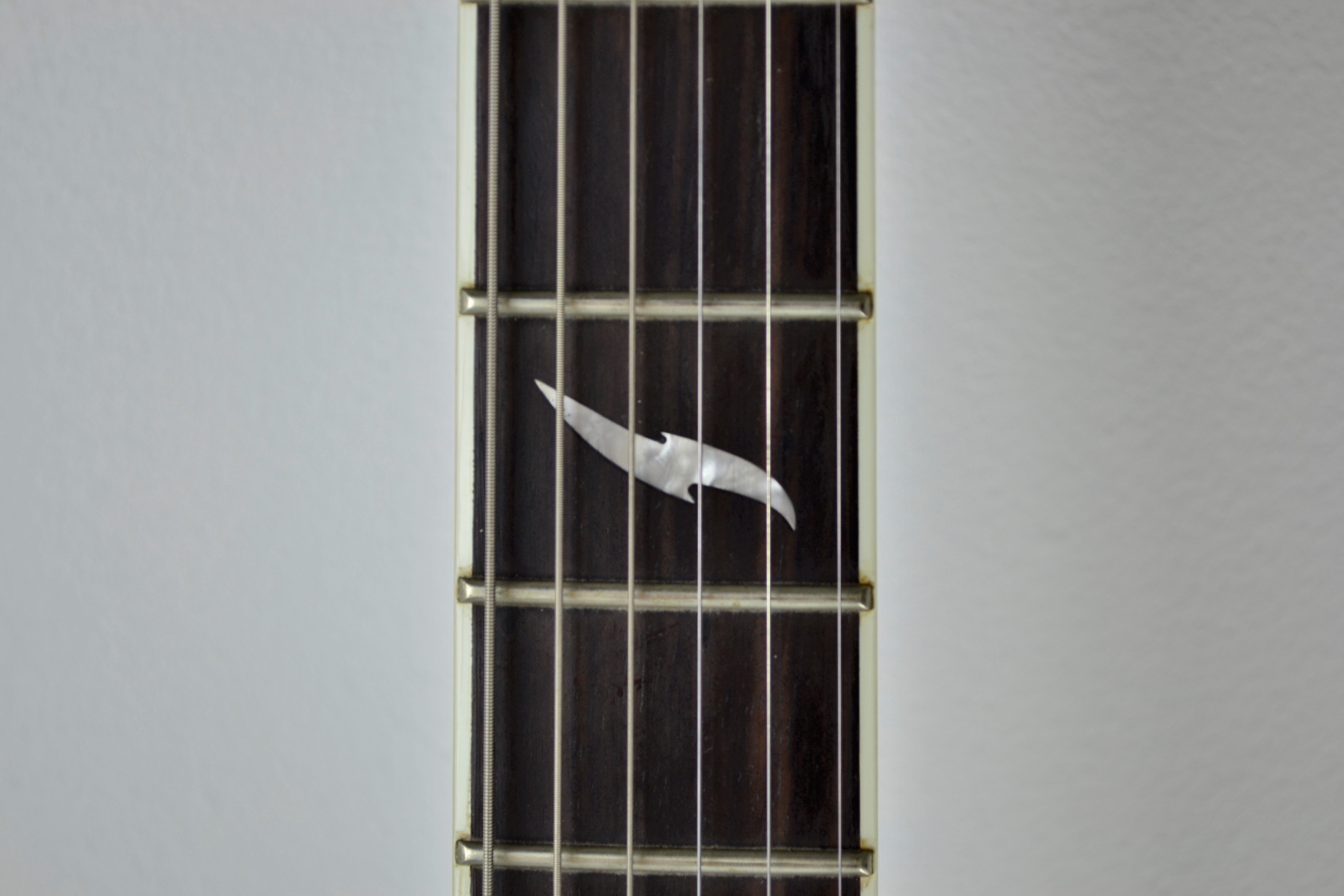
Apart from all the amazing hardware this guitar is beautifully made, the transparent black flame maple top is very neat and let’s not forget about the inlays which now they have taken a blade type of shape… they just add up to the sort of dark theme going on, and this is the reason why I got this guitar. I used to play my Heavy Metal/Trash Metal tunes on my SG or on my Strat, but that just doesn’t feel right, I’m not sure if it’s just me but certain types of guitar make you play certain types of music, is like trying to play Back in Black (yes… by AC/DC) with a Sratocaster, it just doesn’t work.

So, now I can plug in this beauty to my Marshall TSL, hit the third channel and shred away (ahem… pretending to shred) with a nice biting sound.

These are not that easy to find and I like to think of them as bit of a unique guitar and probably one of the best ideas Epiphone has had, so if you can find one… buy it! and keep it! I’m not sure how they were able to produce this amazing guitar and still maintain the Epiphone budget but hey… I only buy and play guitars, I don’t make them, at least for now! _DSC7450 (2) _DSC7449 (2) _DSC7443 (2) _DSC7441 (2)

Create a free website or blog at WordPress.com.

Up ↑