Search

Stringed Guitars

Created by a passionate guitarist, containing a bit of gear reviews and news

Schecter Demon 6 FR

First time I own a guitar from this brand, bought it a few years ago in a music store, I had very little budget and was looking for used instruments, the guy said “I have this guitar that has a few dings and it needs some TLC” when I tried it… I was impressed, £140 for an awesome playing guitar!

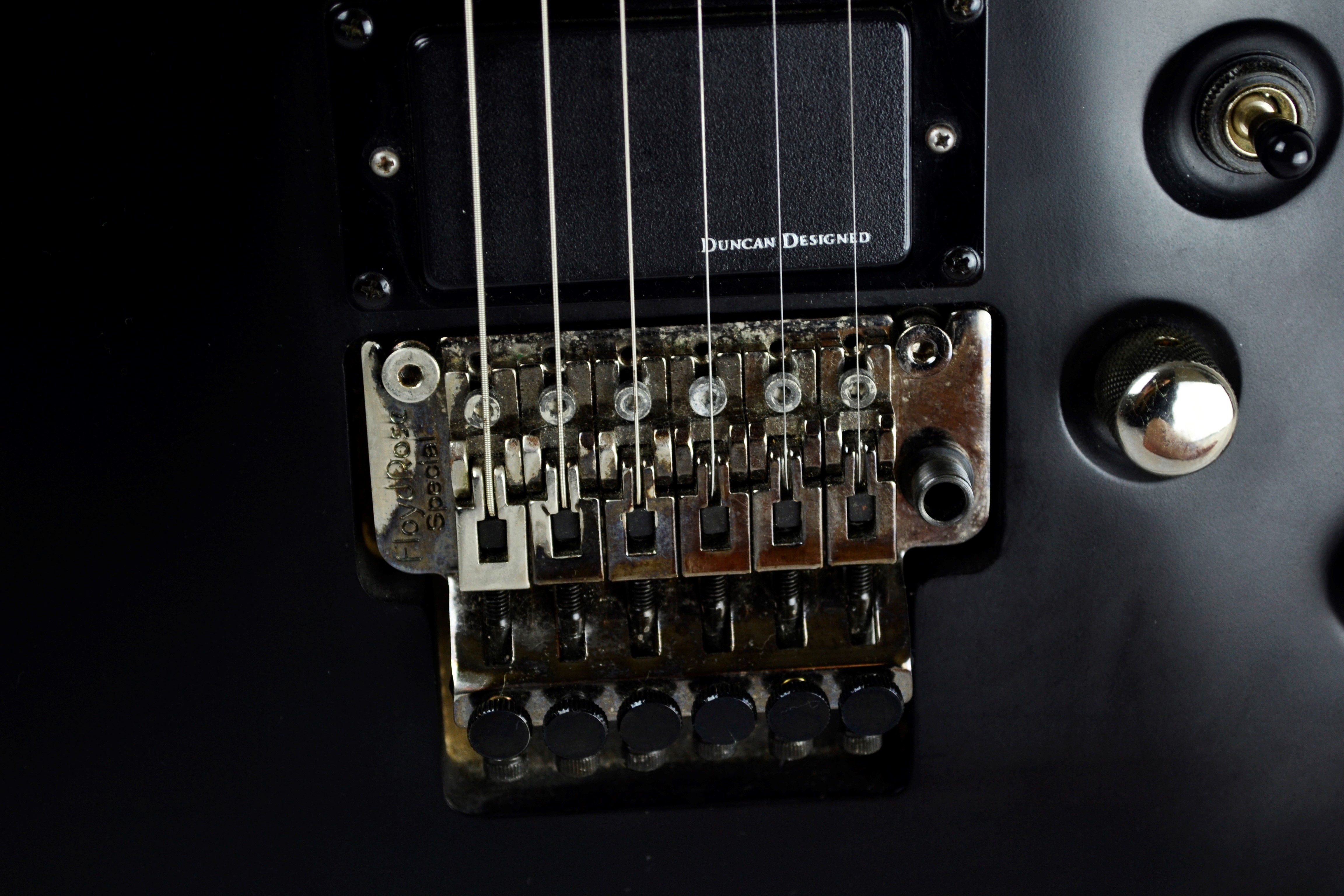
Schecter are more of a heavy metal / progressive metal type of guitar they are really fast and very easy to play. It has a few really nice features, Seymour Duncan Designed pickups (budget version of the Seymour Duncan pickups) Floyd Rose system, locking tuners and awesome inlays.

This is also the first time I have a Floyd Rose equipped guitar, it’s pretty good, you can just abuse it and it doesn’t go out of tune at all, however… changing strings it’s a whole procedure and you better schedule some time of your day for this… and build up the patience, but it’s definitely worth it.

The pickups are really good as well, of course they are active (so you need to buy batteries… eurgh) but they can burst out some Megadeth like type of tunes I love it (2nd time I mention Megadeth? maybe 3rd… anyone who’s counting).

This model is made in Korea so of course it’s not top of the line… but you can’t get anything decent for £140, you are probably thinking of Epiphones? Squiers? Yamaha? nah… not even close to this, Korean Schecter guitars might be the best entry level guitars ever, you may not be a heavy metal dude but they are really versatile, you can get clean tones as well so it’s great for any style even though you might be concerned about the shape but it’s not too bad… it’s not like it’s one of those BC Rich…

So if you find one of these on a good price… trust me and buy it you won’t regret it, give Schecter a chance :), I’m still yet to try an American made one, I can’t even imagine how good they must be!.schecter diamon demon side schecter guitar inlay schecter diamon demon

1984 Squier Bullet by Fender (Japan)

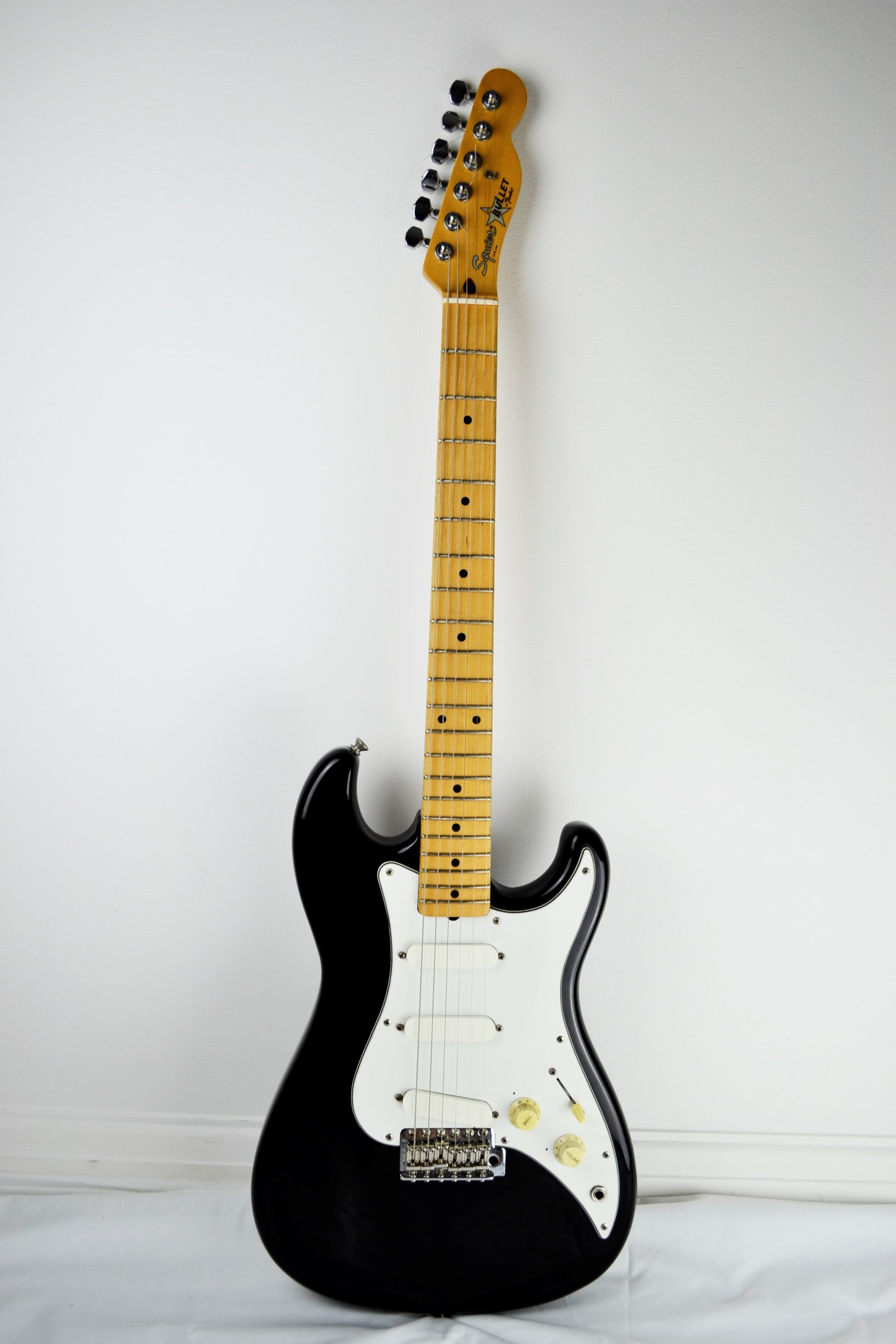
This is definitely an odd one, it is a Squier by fender (like all Squiers claim to be) but it’s not only that. The guitar just looks weird doesn’t it? well.. there are a couple of reasons for that.

Back in the 80s when Fender was switching manufacturers (I think they were moving production to China) they had shortages of guitar parts, so word on the grapevine is that they just combined stuff, and this model is a perfect example of this, the neck pretty much gives it away right? it’s a Telecaster neck! and who doesn’t love a Tele neck, and even more when it’s maple (yes I do like maple for Fender style guitars and Rosewood for any other brand/type of guitar). The body also looks odd apart from being somewhat deformed (fatter) on the bottom it also has only 2 knobs and a weird (maybe Gibson style?) input jack, I actually like this design I always felt that Fender inputs are somewhat annoying because you can’t use L shaped cables, so you need your L shaped for your Gibsons and your straight ones for your Strats, this just takes care of that situation, and the 2 knobs instead of 3? also a great idea! who uses 2 tone knobs when you only have 1 volume control…. just doesn’t make sense.

Pickups… probably not the best, but… they are covered! and white covers! makes the guitar look just a bit cooler right? (and yes it matches with my EC Strat) they actually don’t sound that bad at all, they are a bit muddier than normal Squier pickups so it’s like you almost don’t need a fuzz pedal, just crank up the volume, add some distortion and you are sorted.

This guitar was a bit of a project for me, and my first “real” guitar project, I only paid £70 for it (such a steal!) but it was in a very poor condition, I took the frets off and added Dunlop 6100 (the same SRV used to use), I also sanded the neck to take all the gunk off and leave it nice and clean, it’s not the most tidiest job because to be fair changing fret is a nightmare! and it’s extremely easy to damage the fretboard, but after a few attempts and a fret levelling tool it now plays really nice and it has got quite a unique sound, even though I barely use it… I like it because it has survived my DIY so it just feels special.

_DSC7475 (2) _DSC7469 (2) _DSC7471 (2) _DSC7472 (2)

Epiphone SG Prophecy EX

So… Of course your question is… “what the hell is an Epiphone doing here?…” Well, I like Epiphones, and let’s be honest… loads of us have started this amazing hobby/profession using an Epiphone or a Squier.

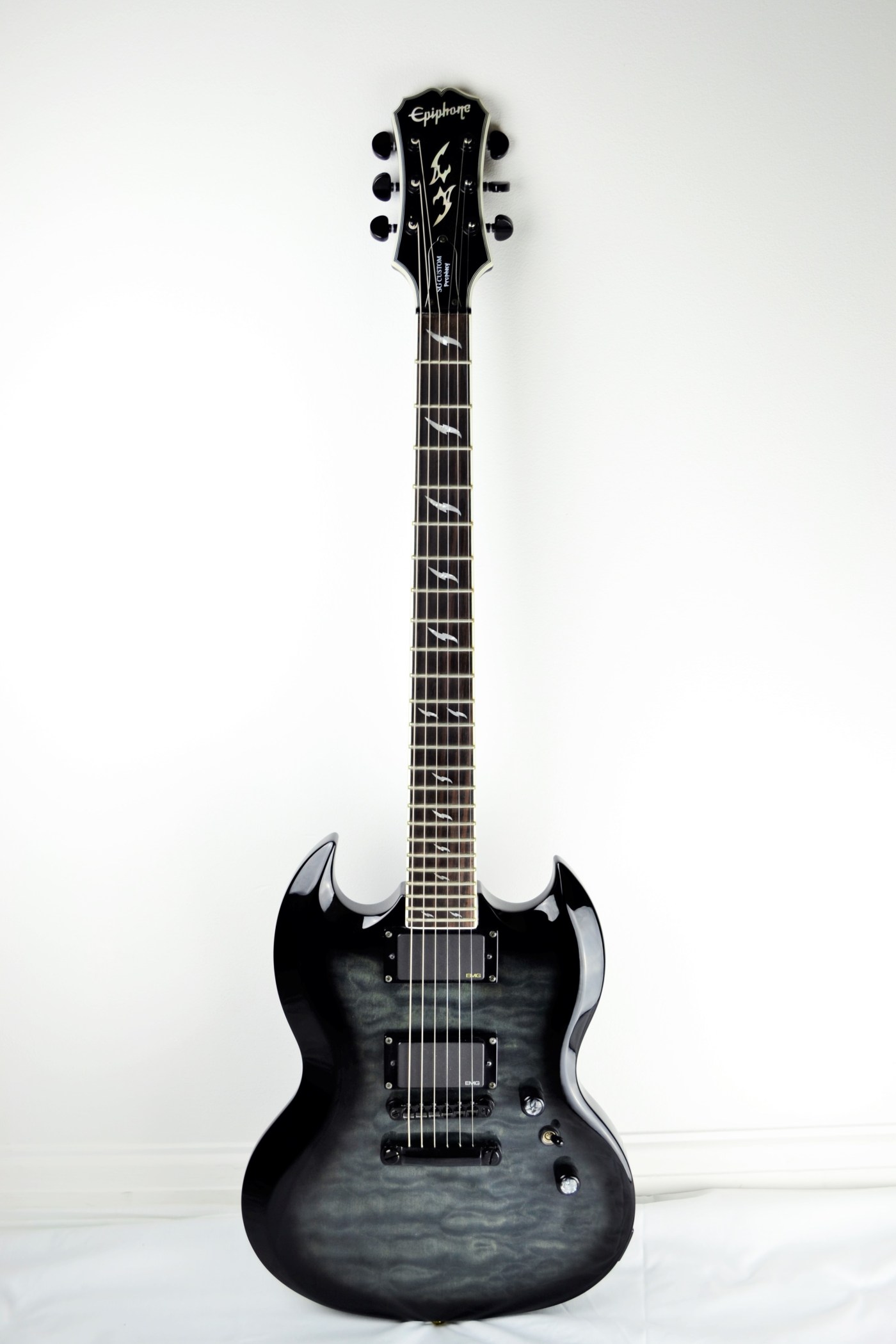
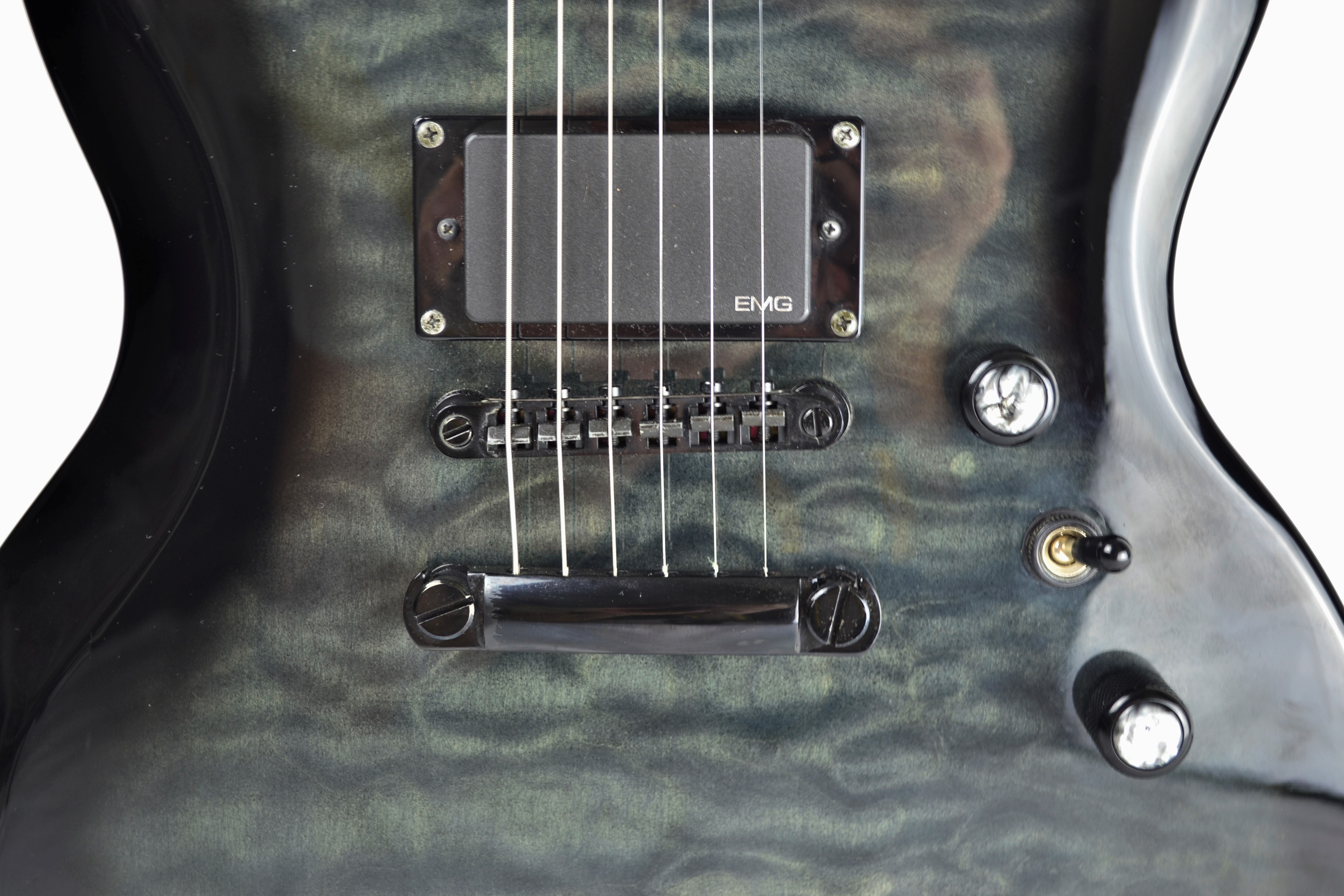
But this is no ordinary guitar, this is the angriest Epiphone of them all, it’s got world class features such as: ebony fretboard, Grover tuners, flame maple top, and last but not least EMG active pickups (models 81 and 85). This combination is a killer, also the fretboard is quite chunky like an SG standard so it’s great for shredders which I’m not one of them but I do enjoy every now and then picking up my axe (keeping the shredders lingo) and play a bit of Megadeth or Judas Priest.

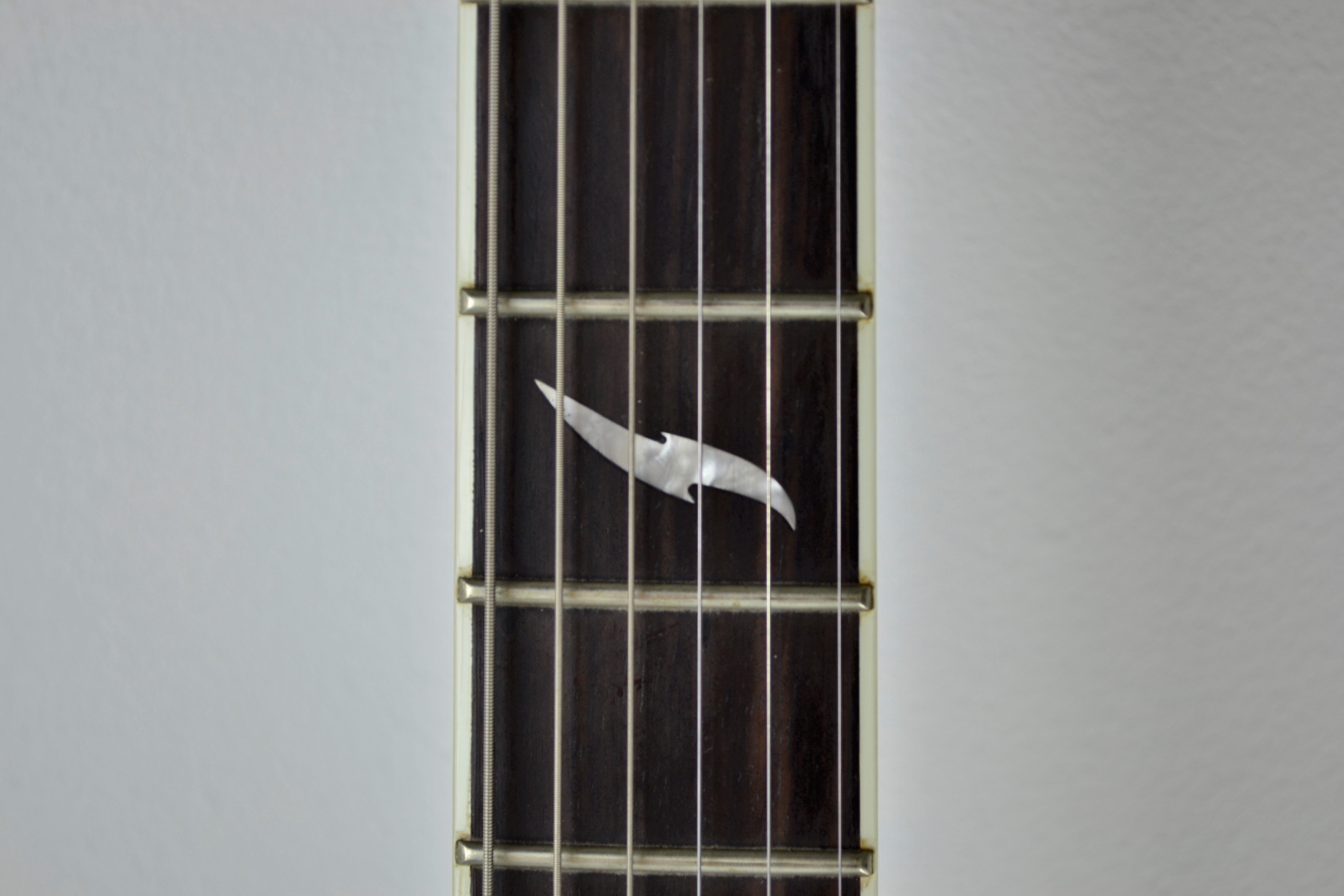
Apart from all the amazing hardware this guitar is beautifully made, the transparent black flame maple top is very neat and let’s not forget about the inlays which now they have taken a blade type of shape… they just add up to the sort of dark theme going on, and this is the reason why I got this guitar. I used to play my Heavy Metal/Trash Metal tunes on my SG or on my Strat, but that just doesn’t feel right, I’m not sure if it’s just me but certain types of guitar make you play certain types of music, is like trying to play Back in Black (yes… by AC/DC) with a Sratocaster, it just doesn’t work.

So, now I can plug in this beauty to my Marshall TSL, hit the third channel and shred away (ahem… pretending to shred) with a nice biting sound.

These are not that easy to find and I like to think of them as bit of a unique guitar and probably one of the best ideas Epiphone has had, so if you can find one… buy it! and keep it! I’m not sure how they were able to produce this amazing guitar and still maintain the Epiphone budget but hey… I only buy and play guitars, I don’t make them, at least for now! _DSC7450 (2) _DSC7449 (2) _DSC7443 (2) _DSC7441 (2)

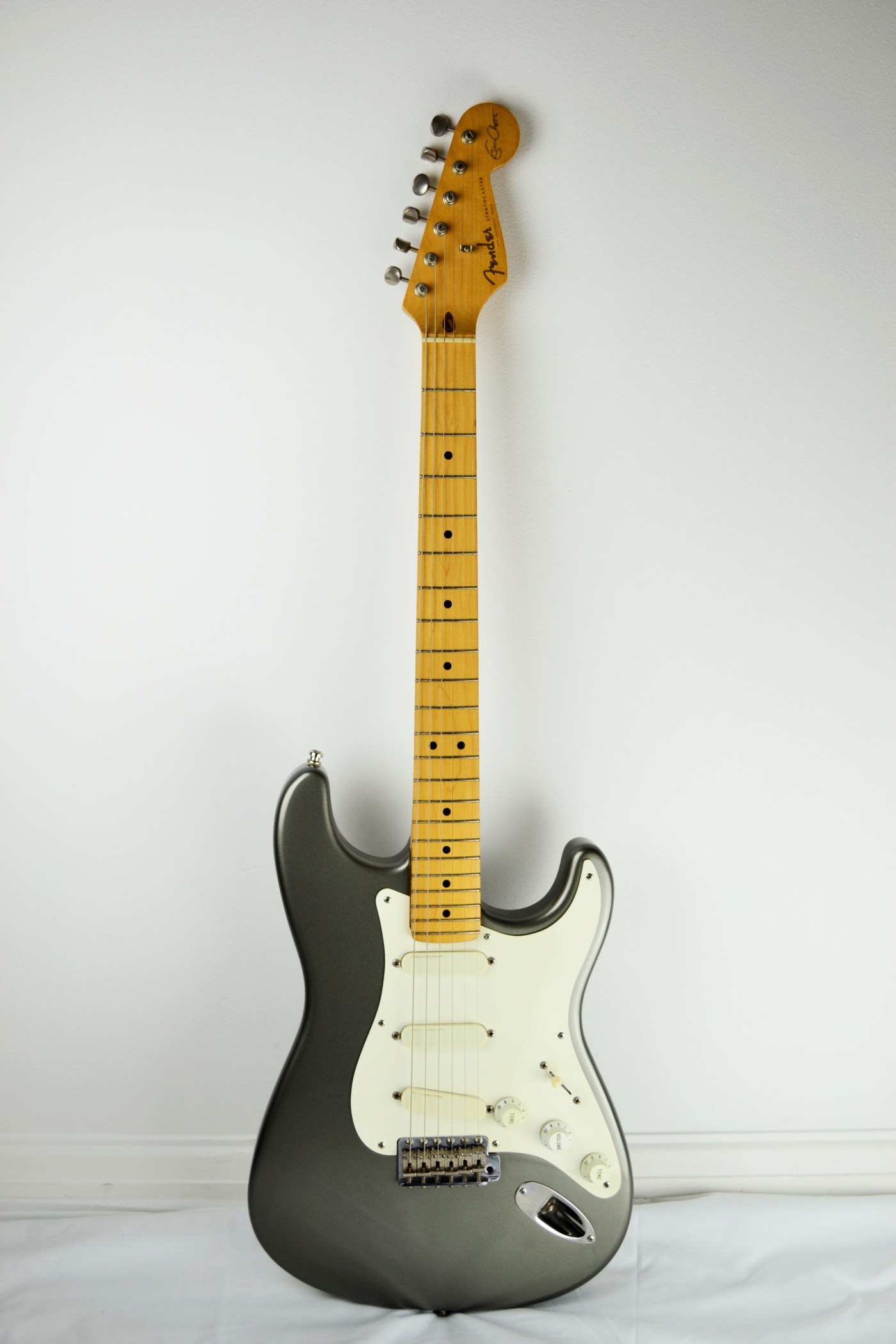
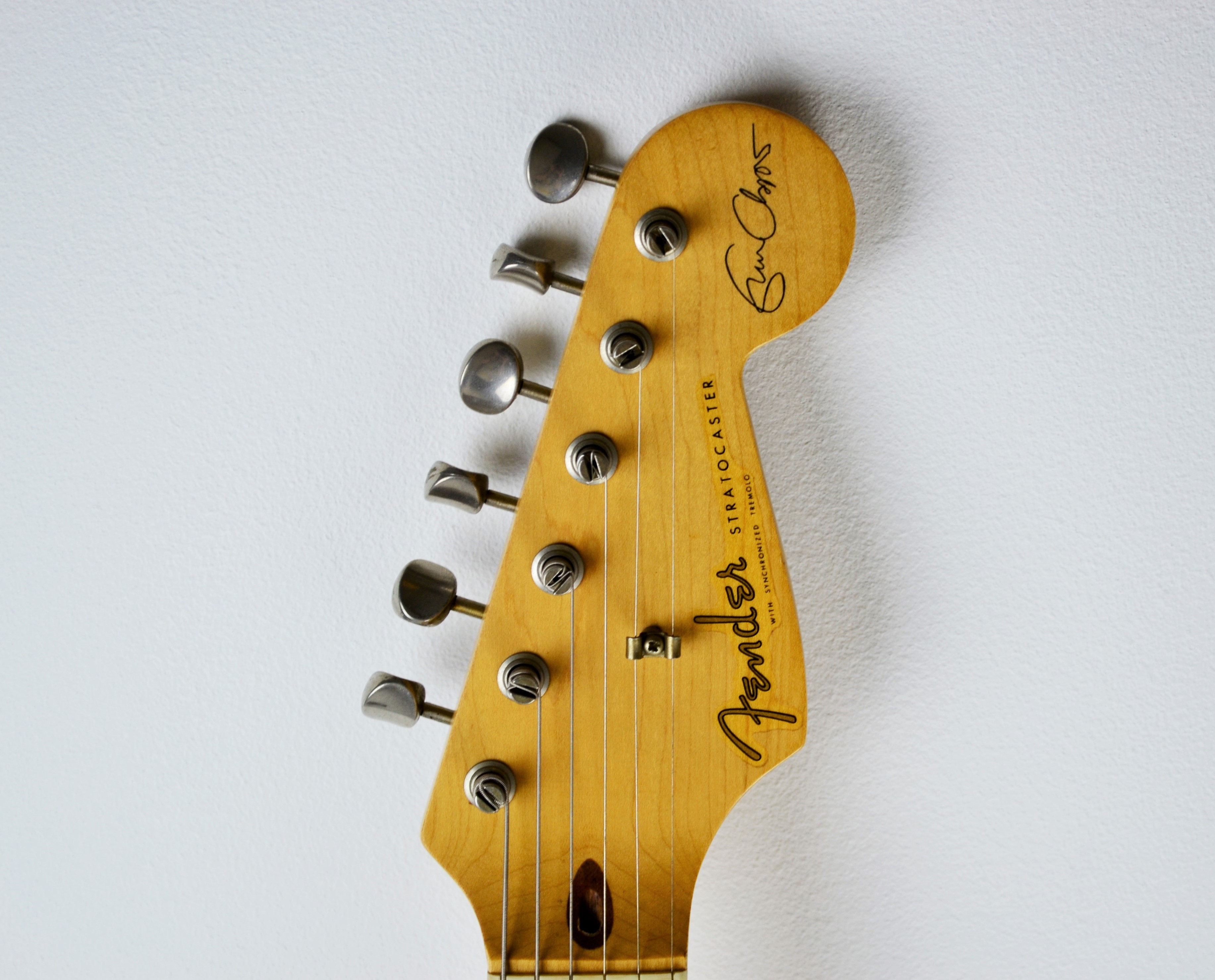
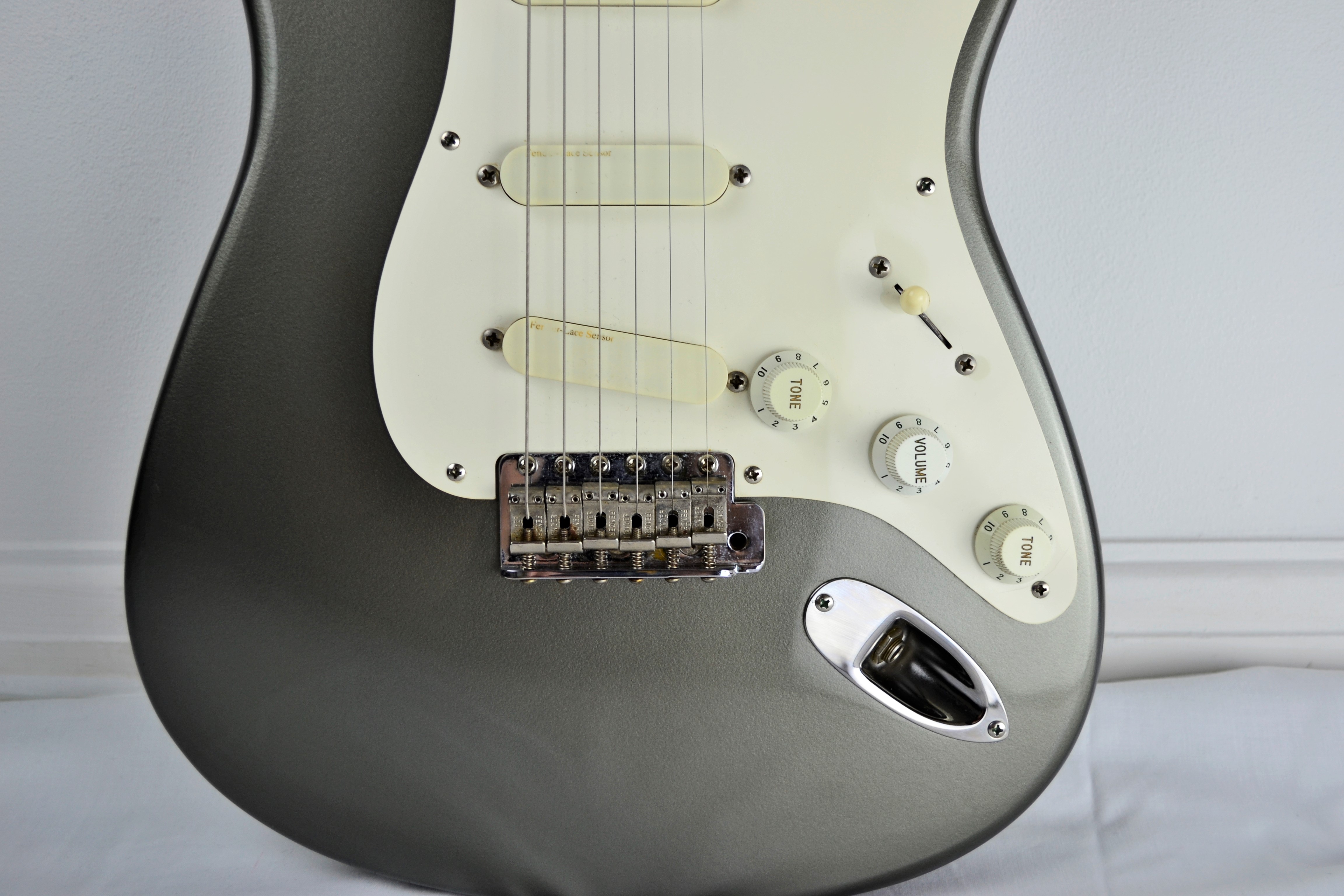
1989 Eric Clapton Fender Stratocaster.

Apart from the Gibson SG (of course) this is probably my favourite guitar.

Eric Clapton used this exact model on his tour around the late 80s.

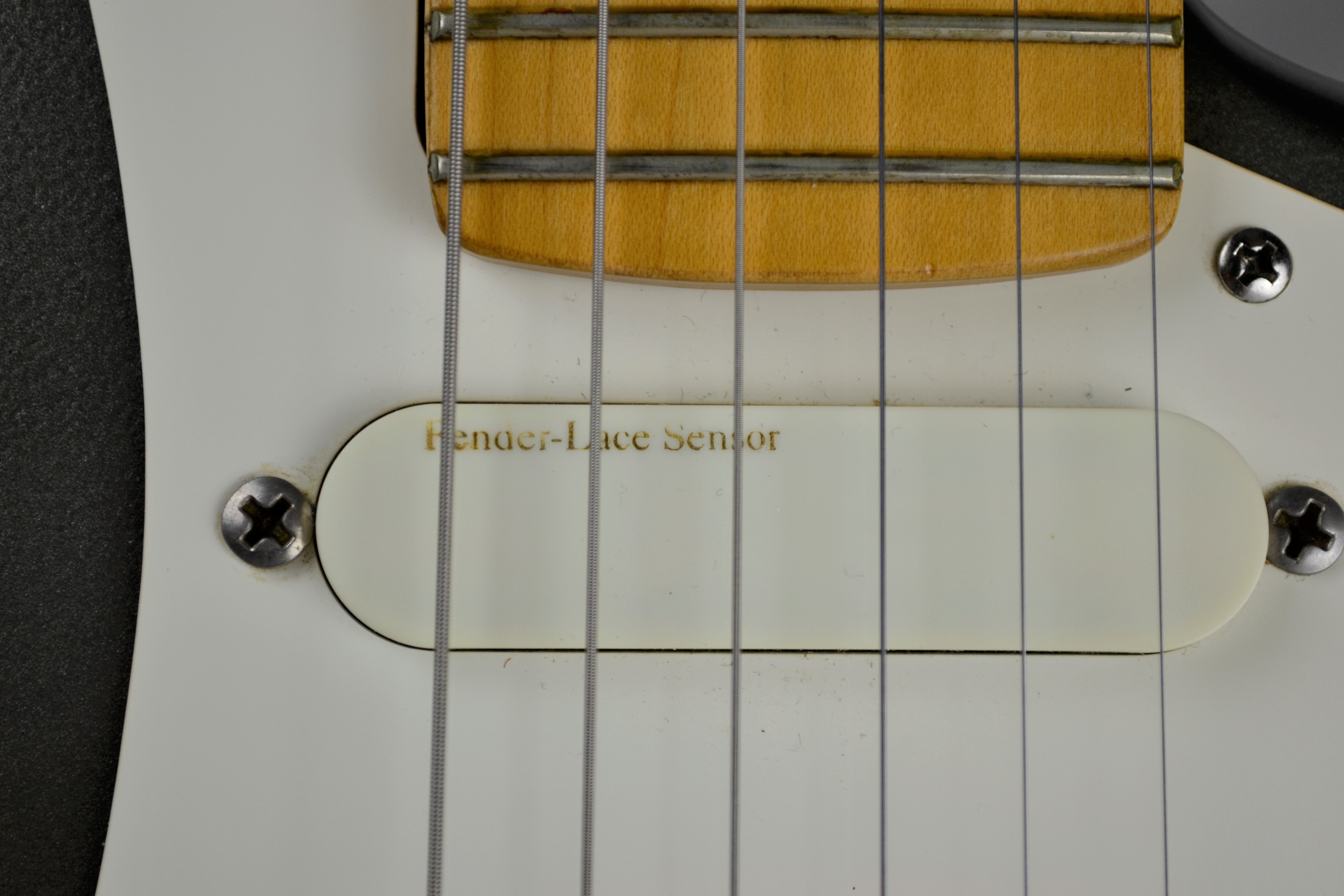
The main difference with a normal Stratocaster is the pickups and the wiring, it features 3 active Lace Sensor pickups which are amazing! best pickups a Stratocaster can have, they don’t make a lot of noise and they are just really versatile.

The wiring consists on having a mid-boost, and it’s really useful when you are playing leads, just crank up the tone knob and you get extra loads of distortion, of course you can also use the volume knob for this but who doesn’t need a bit of extra gain when everything is already at 10???

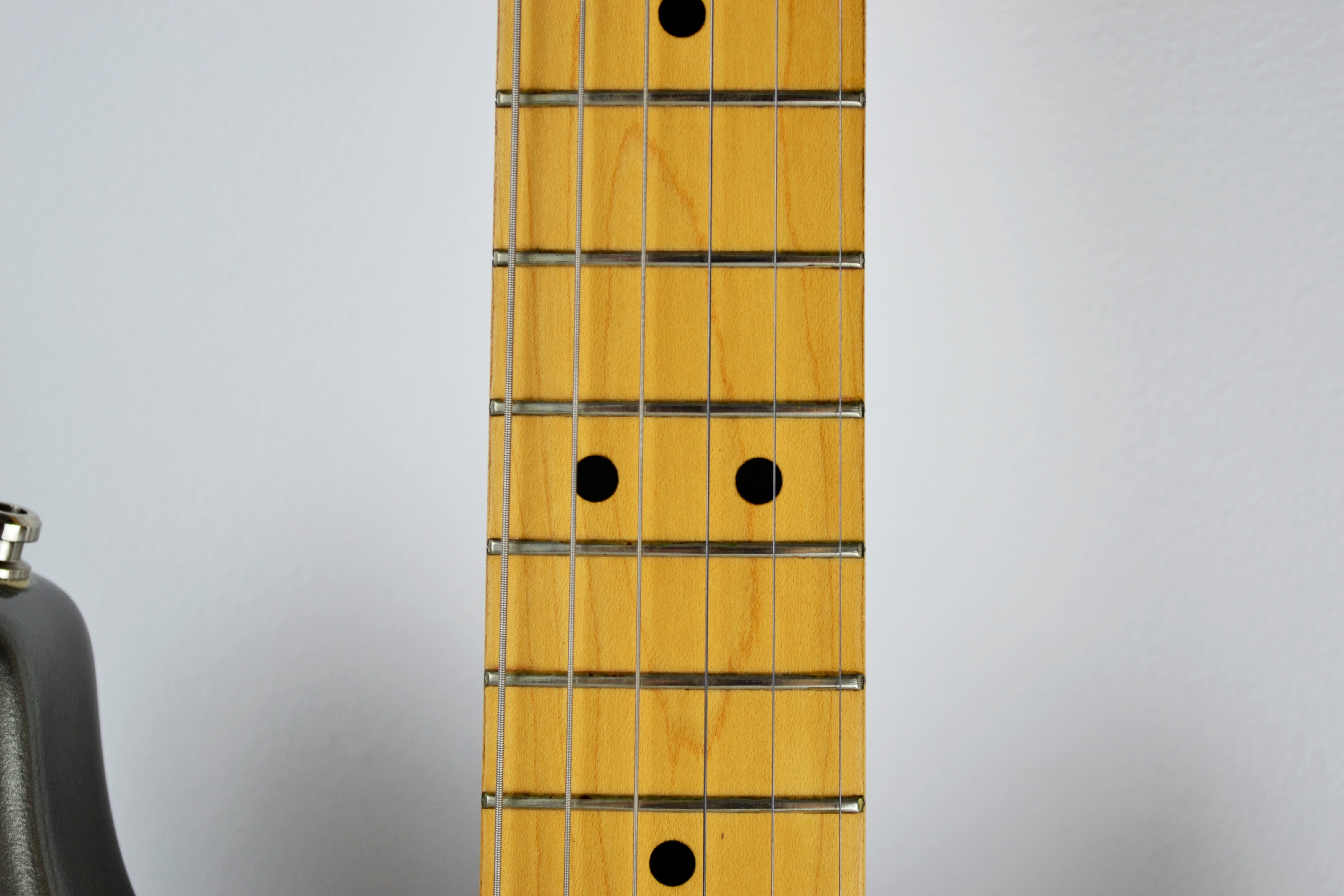
The colour is also quite unique, “Pewter Grey” is the actual name, and I believe it came in other colours, the neck is absolutely beautiful being maple you can actually see the pattern, but it does come in glossy mode… which I dislike, but I used a really thin sanding paper and took that right off, it doesn’t affect the guitar in any way but it improves the payability, otherwise your finger sort of drags on the glossy finish and it just feels slower.

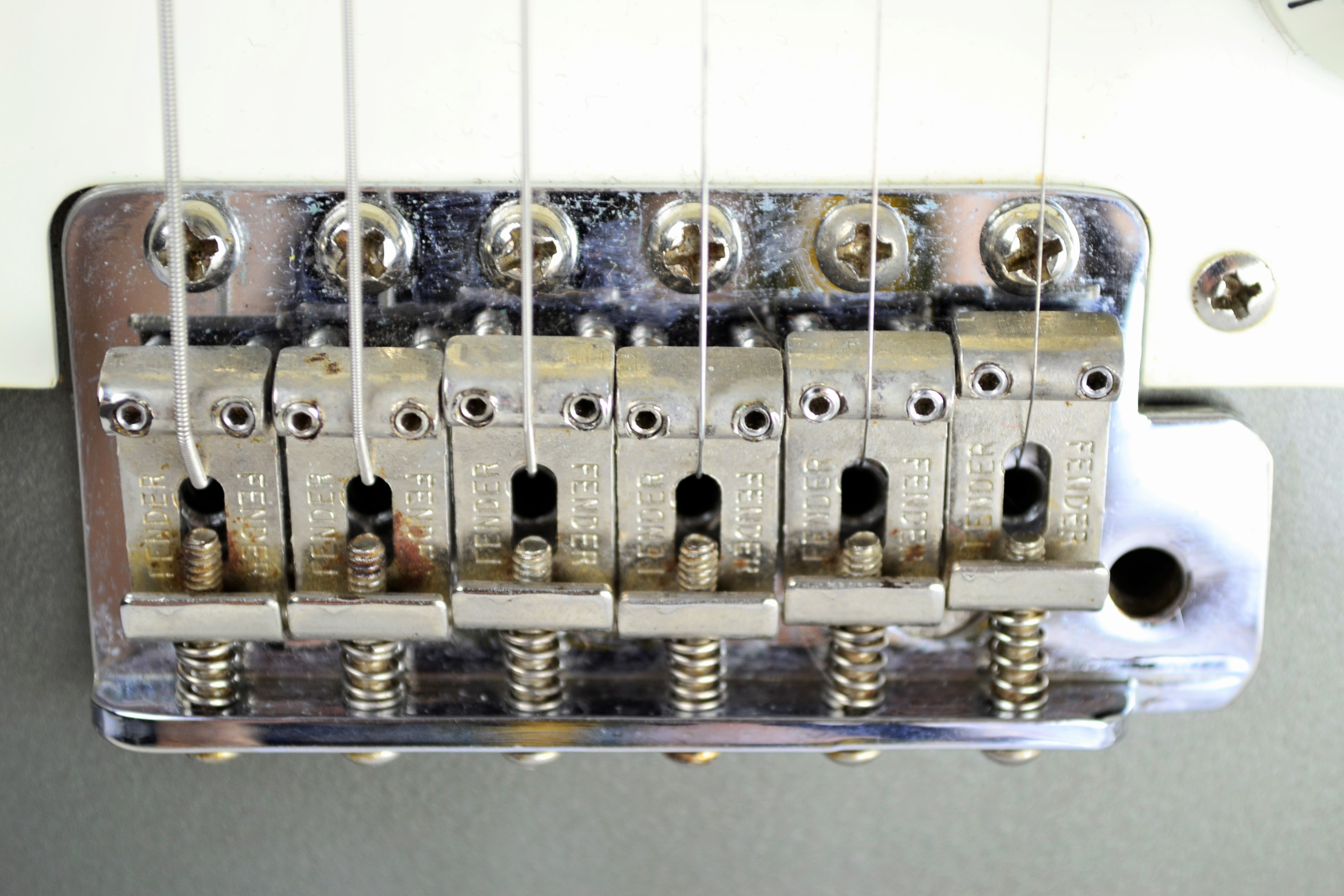
The tremolo is quite useful and it does not go out of tune, however due to Eric’s specification this model has a small piece of wood in the cavity which blocks the tremolo so you just need to take the back cover off and remove the piece of wood, and it works just fine.

They are not too expensive…usually around £1,200 but if you are looking for something similar but don’t want to spend that much, you can always get a Stratocaster Plus, which are pretty much the same thing.

 _DSC7463 (2)_DSC7464 (2)_DSC7456 (2) _DSC7458 (2) _DSC7459 (2)

Marshall Class 5

The little beast.

I’ve always wanted one of these boutique looking Marshalls, I’ve had JCM 900, JTM30, etc. you name it. But this one just looks awesome.

Don’t be fooled by the fact that it’s only a 5 watt amp, this thing can scream! I’ve used in on rehearsals and on pub gigs, and it held up pretty good without any PA assistance, I’m not sure why but it’s just too damn loud.

This is the first version they released which doesn’t have a master volume so it’s practically impossible to get a nice distortion without having your neighbours call the police, Marshall later released a 2nd version with an open back and a master volume which of course allows you to get a nice distortion at practice volume.

By the time I bought this beauty I was not aware of the existence of a 2nd version so I added a master volume my self to the back of the amp, it’s not the prettiest looking mod… but hey… it does the job.

This amp combined with any of my vintage Gibson SGs creates the classic AC/DC sound, great sustain loads of harmonics, the speaker is a “specially designed” Celestion G10-F, to my taste it sounds awesome, probably a Celestion Greenback will be the choice if I wish to swap the speakers, but for now I think this is one of my all time favourite amps.

_DSC7511 (2) _DSC7512 (2)

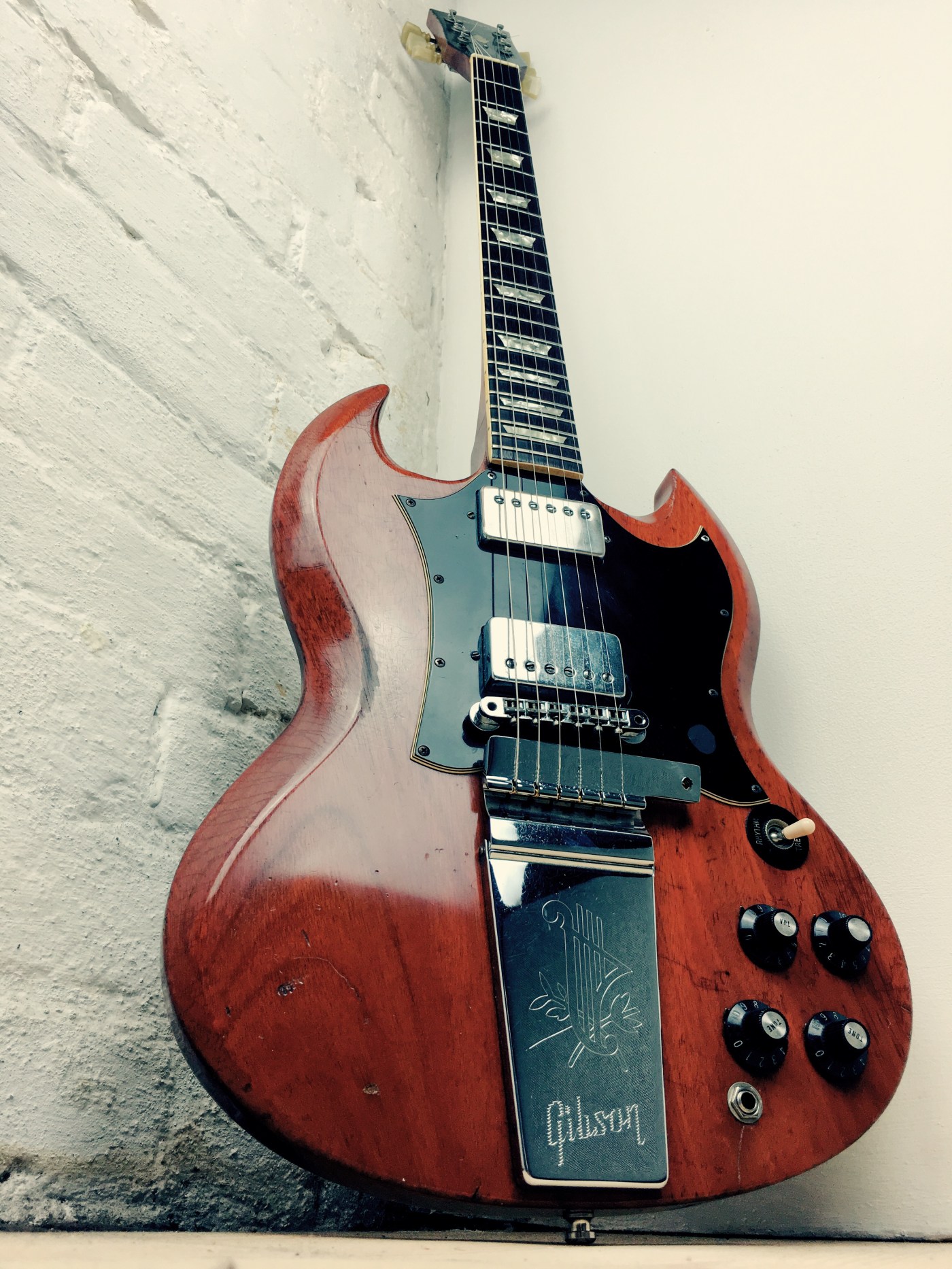
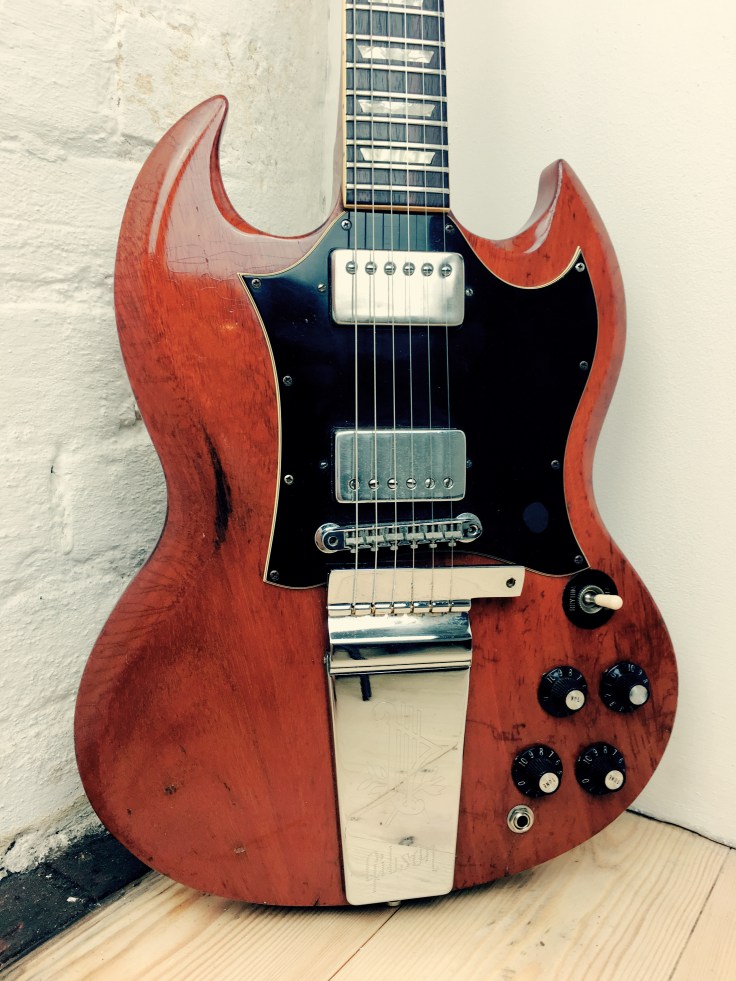
1971 Gibson SG Standard

Iconic guitar and of course my favourite.

This is not just a great example of Gibson’s craftsmanship but it is also Angus Young’s first SG, featuring the addition of the volute to the headstock and the “made in USA” stamp, this guitar is the one we can hear in many AC/DC songs.

I’m sure everyone remembers Angus’ lightning bolt model, well… the first version of that guitar was created by John Diggins (Jaydee Guitars: http://www.jaydeecustomguitars.co.uk/) using this exact same model.

John used to fix Angus’ guitars, to the point were the only original part left on the guitar was the headstock, and when he had to rebuild the fretboard he decided that some lightning bolts might look cool, so he added them to the 1971 SG Standard, making it the base for Gibsons’ later Angus Young signature guitar.

This is my 1971 Standard after many years of playing I finally was able to find one and actually buy it this time around.

It doesn’t have any modifications, of course it has some dings here and there but nothing major and it all just adds character to the instrument, the only noticeable “issue” is a small hole on the pickguard which I covered with black tape (I know.. not ideal), I’ll probably buy a 1971 pickguard of ebay at some point.

IMG_2491

gibson sg 1971 standard

Create a free website or blog at WordPress.com.

Up ↑